What is a weed?
A weed is commonly defined as a plant that is growing somewhere it should not be. This definition therefore can be applied to ANY plant that is growing in a garden space that you would rather it did not. An important distinction is made in classifying environmental weeds, which are plants that (by seed dispersal or vegetative spread) have moved outside of gardens and naturalised in bushland areas. These weeds then out-compete indigenous flora and disturb the balance of the land's native ecosystems.
How does this affect you?
Once environmental weeds are established in your garden, wind and birds can transport the seeds from the plant into surrounding gardens and bushland, further proliferating the species. In effect, your weed becomes a seed bank, providing more plants which out-compete indigenous plants and create invasive mono-cultures. Environmental weeds may also grow into trees in a garden bed of otherwise desirable plants. The tree, if left to grow, will out-compete your plants and be expensive to remove.
The woody weed species outlined below are some of the common weeds I see all over Greater Sydney. They easily go undetected or are assumed to be desirable species. Banksia Backyards has expertise in the identification and correct removal of these weeds before they become a large and costly problem. All of the pictures were collected as I went about my days in local gardens and bushland, in a two week period.
Privet (Ligustrum sinense & Ligustrum lucidum)
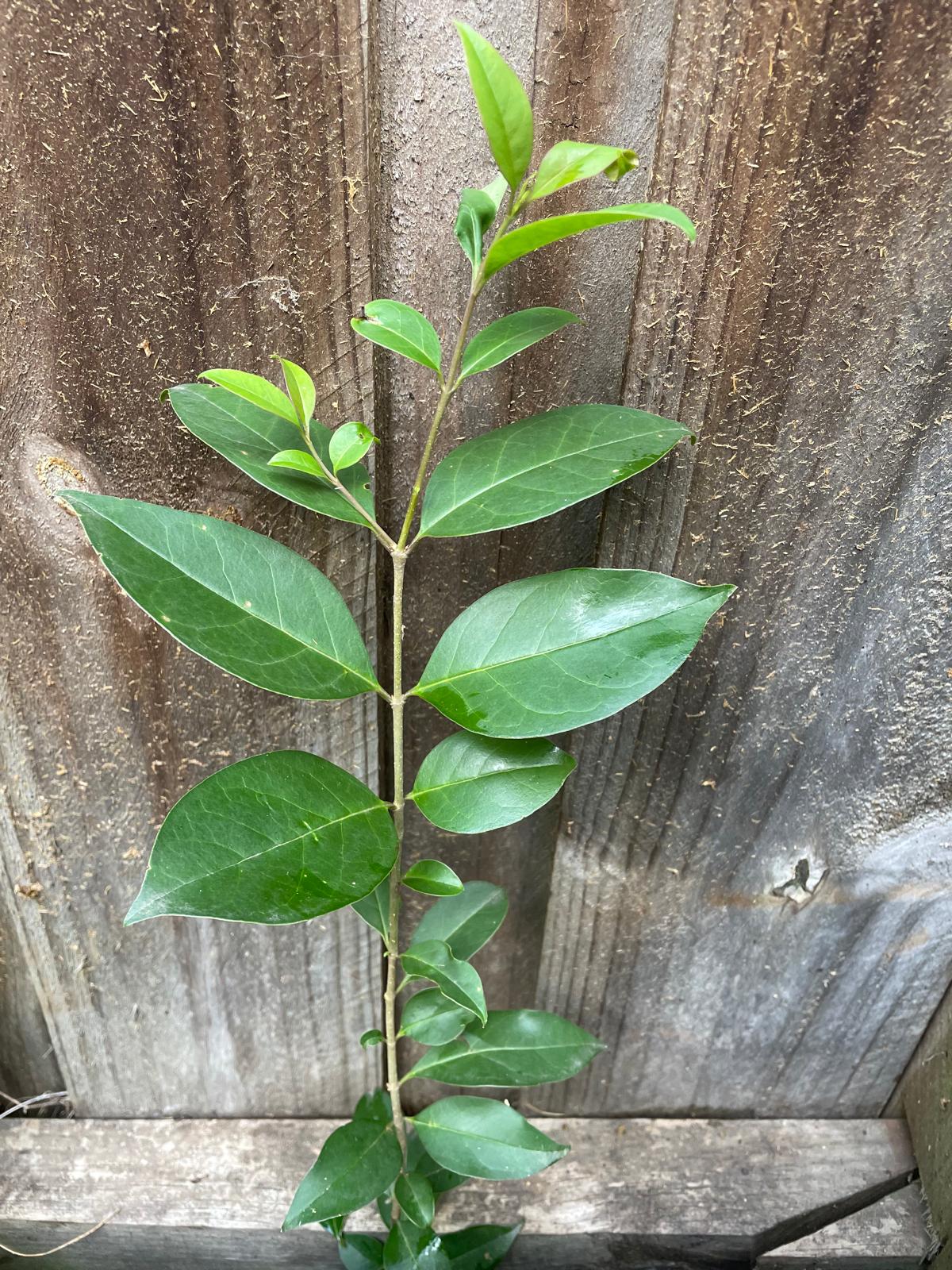
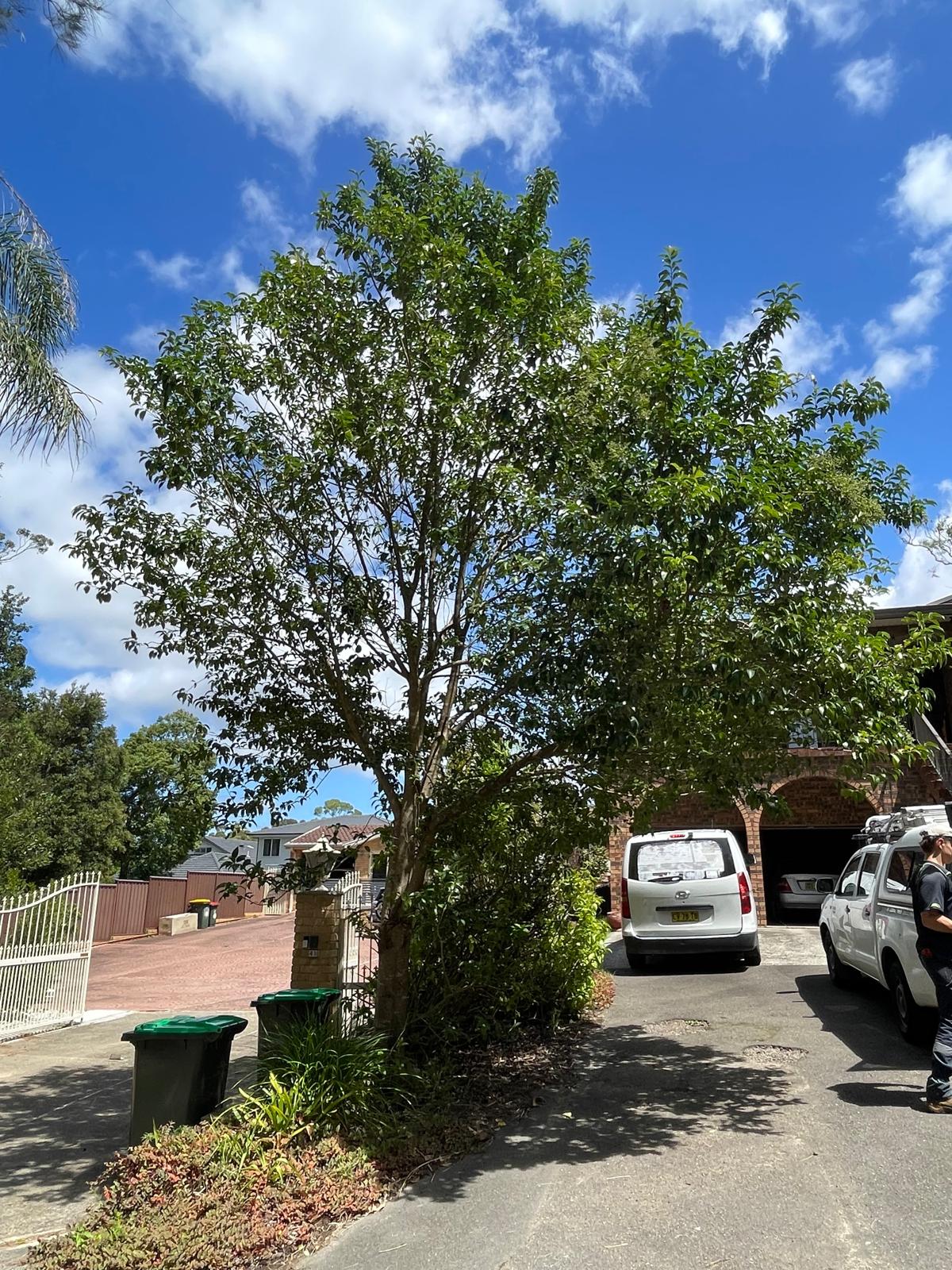
Privet is best identified by the white lenticels (dots) on the stem of the plant, with rounded small leaves or pointed larger leaves for small and large-leaved privet, respectively. Both the small- and large-leafed species of privet are seen across Sydney. The small leaf species can grow up to 5m, whilst the large leaf species can grow much larger – up to 12m.
I see it naturalised in the bush very frequently. Both species can produce hundreds of thousands of seeds a year, and the offspring look very unassuming as seedlings or small plants before quickly growing to their full size. The proper treatment is removal below the root crown for young to semi-mature specimens, and for more established specimens, a controlled application of a systemic herbicide will ensure they do not continue sprouting back.
Small-leaved Privet


Large-leaved Privet
Camphor Laurel (Cinnamomum camphora)
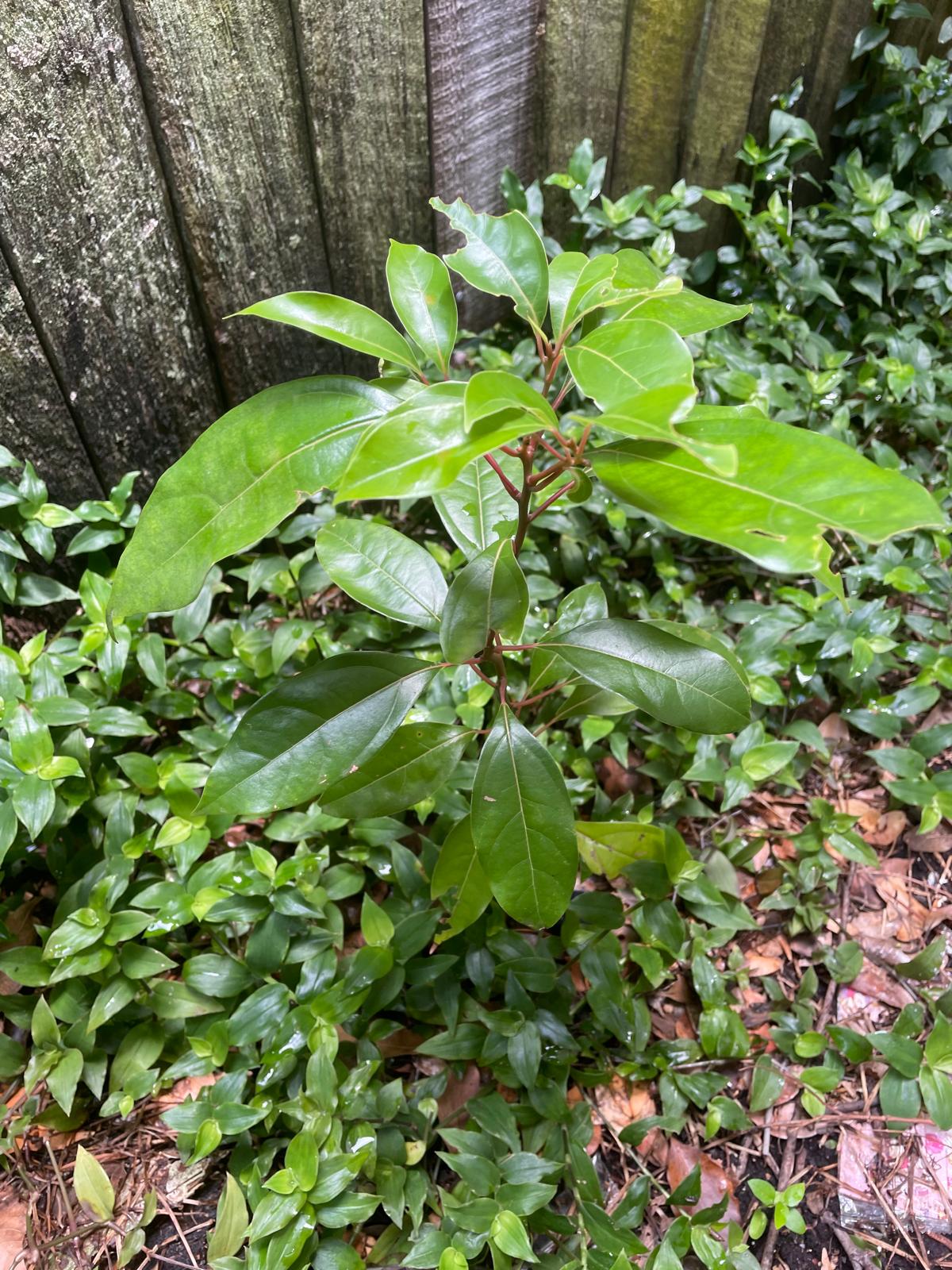
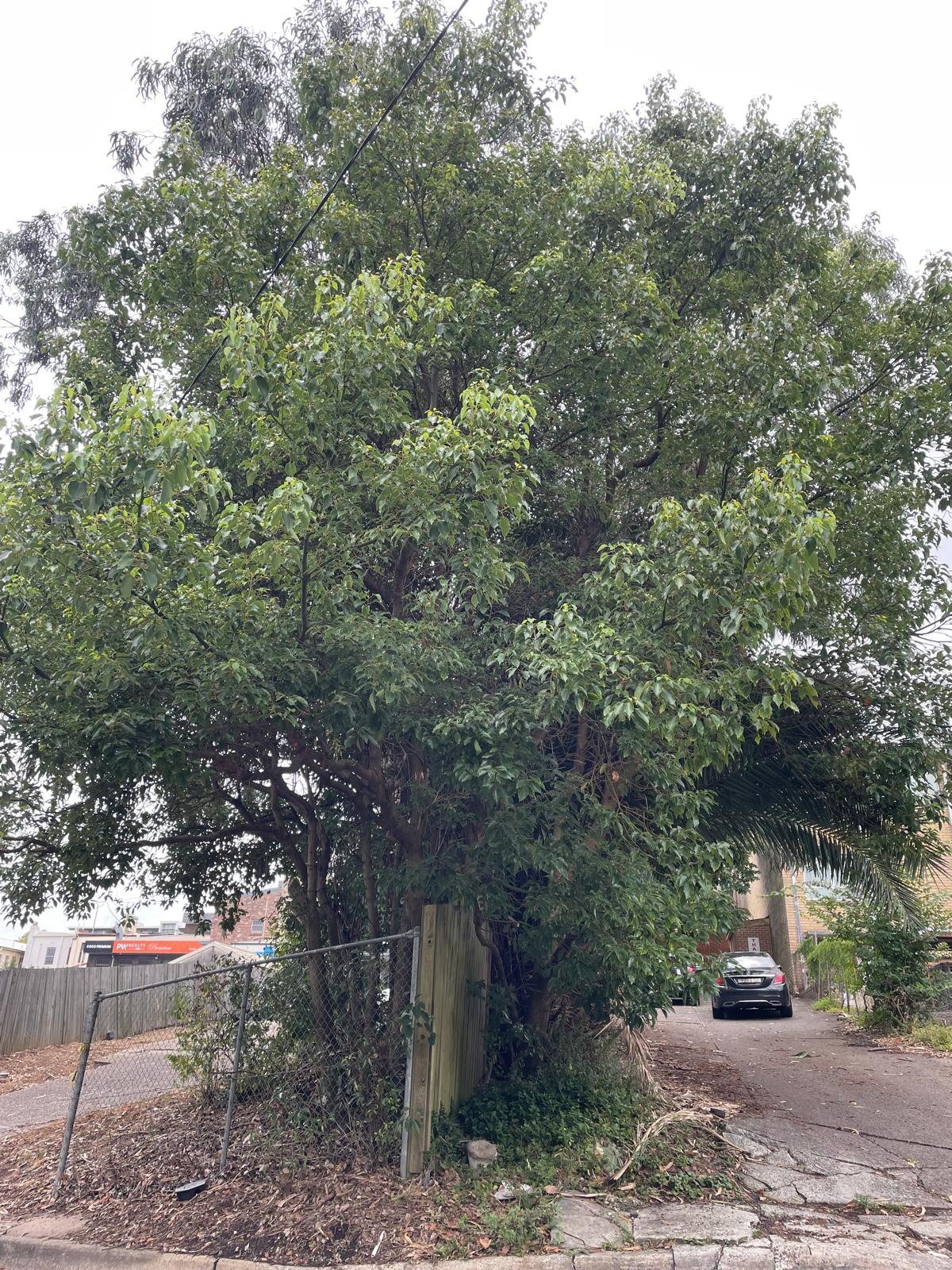
Camphor laurels are best identified by their scent – when crushed, its leaves produce a strongly distinct smell. They also have glossy, reddish leaves. Camphor laurels grow into a broad-domed tree, up to 30m, and produce an abundance of seeds which have naturalised in native bushland and gardens.
It is important that the seedlings are correctly identified to ensure the plant does not grow too big to handle. The proper treatment is the same as privets.
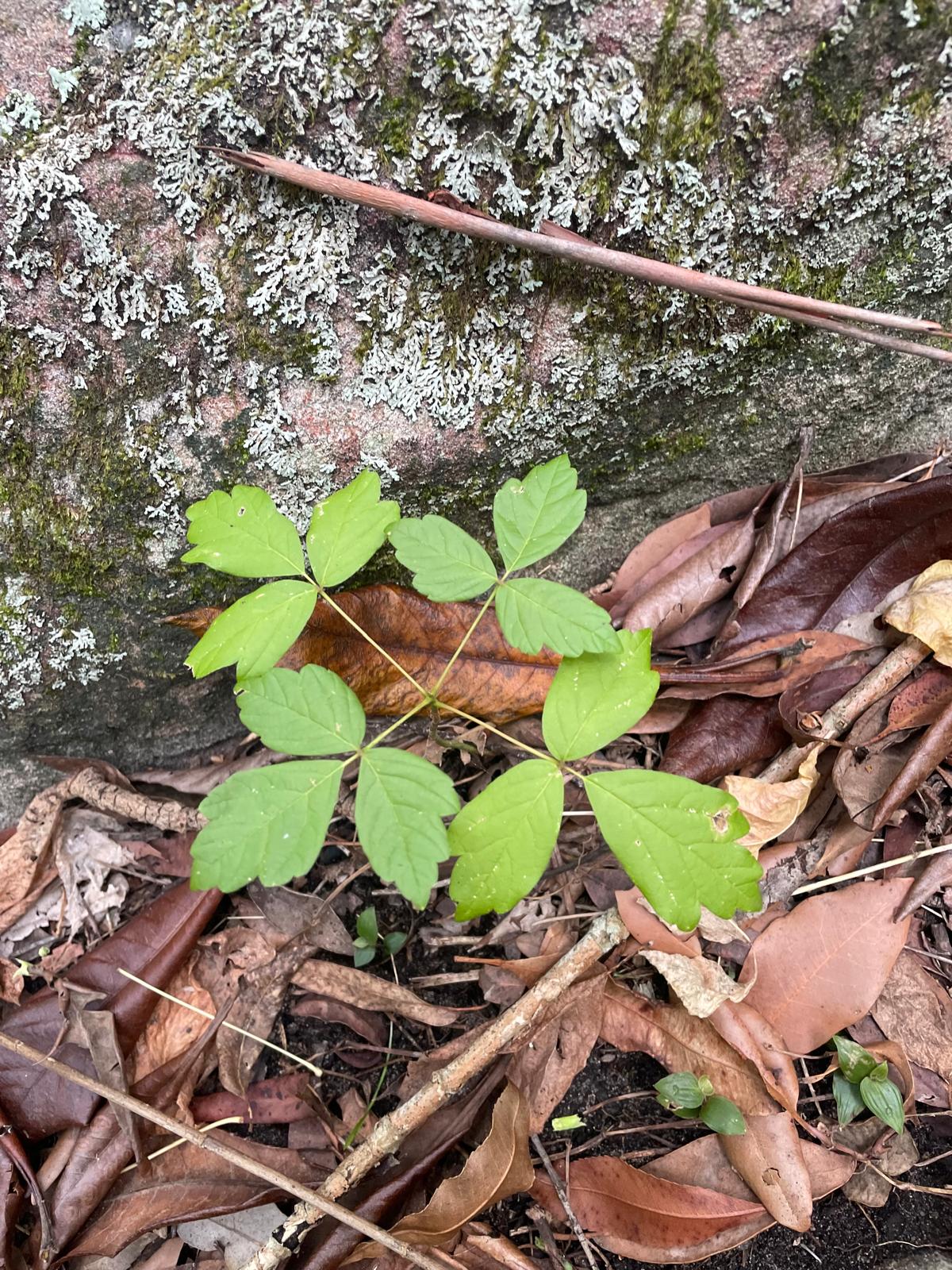
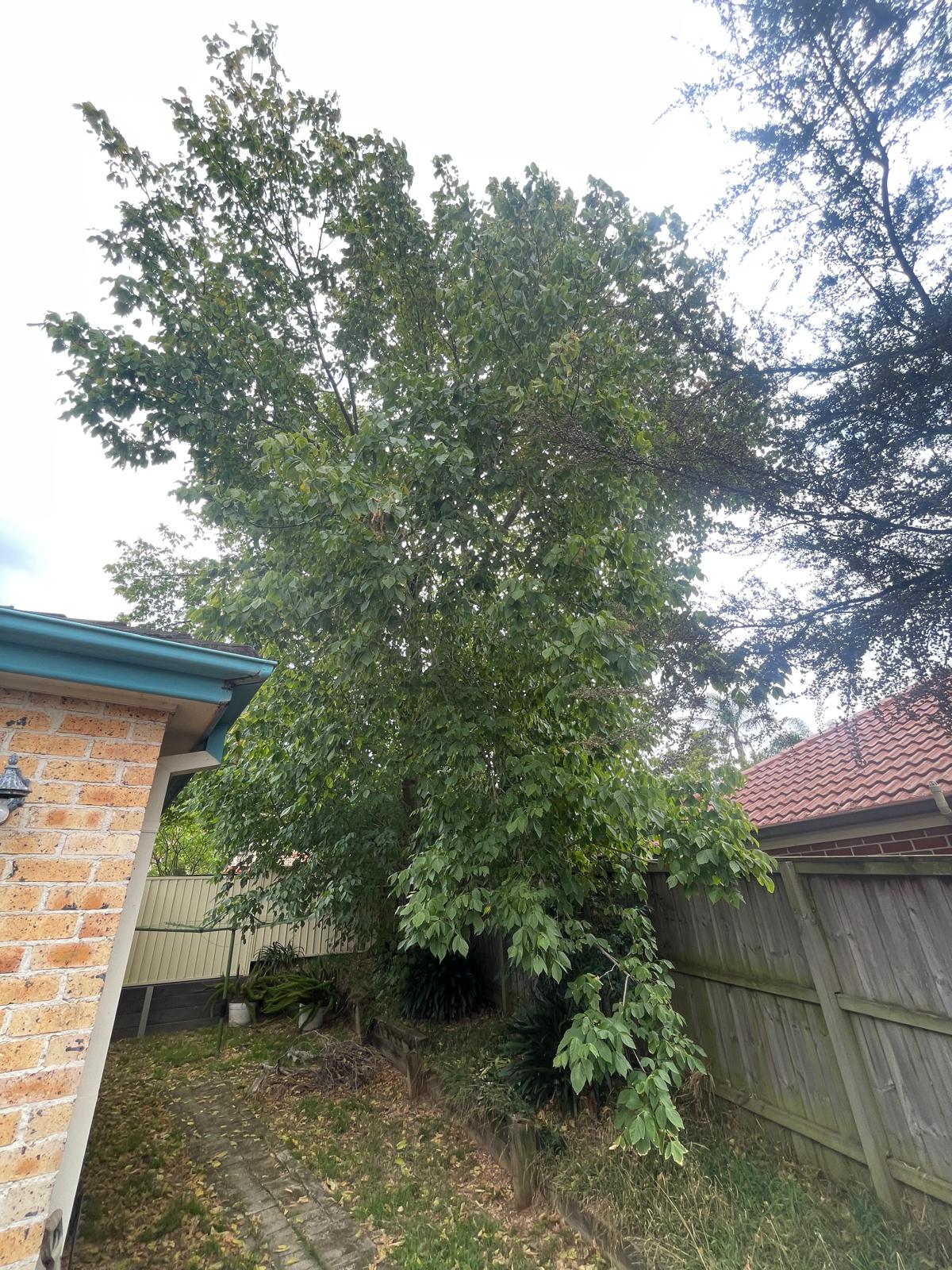
Box Elder (Acer negundo)
Box elder is best identified by its three-to-seven-leaflet compound leaves, which are serrately lobed, and its blueish-green stem with reddish petioles (leaf stems). Box Elder is in the same genus as Japanese maples!
They spread profusely by winged fruits called samaras, which twirl to the ground and readily germinate into seedlings. Box elders can grow into a 20m broad-domed tree, and therefore must be removed before allowing it to grow too large. The proper treatment is the same as privets.
Mickey-Mouse Plant (Ochna serrulata)
Mickey-mouse plant is identifiable by its serrated, coppery leaves and red flowers opening to black fruit, resembling Mickey Mouse (as some say). Mickey-mouse is a medium-sized plant which grows anywhere from a bushy shrub to 3m tall.
The seeds are spread by birds or fall from the plant, and will be found all around the garden. Mickey-mouse has a kinked taproot, making it difficult to fully remove without breaking it off (see photo below). The right digging tools are a must to remove young specimens, or a controlled application of a systemic herbicide.

 - Mickeymouse plant.jpeg)
If you think you have any of these weeds growing in your garden and need help in managing them, don't hesitate to call Jordan at Banksia Backyards.
Visit NSW Weed Wise for further information.