The Problem!
Have you been wondering why your agapanthus is looking shriveled, yellow, distorted, and dang right sick? Come with me into your garden and let’s see if you find these signs. If you first see black ants running up and down your leaves, I’ll excuse you if you thought these critters were the problem. They might not be the problem but they sure are an indicator of it. Ants (like most of us) love sugar, and that is just what they are doing down there, acquiring the sugar produced from a sap-sucking friend, and in turn protecting them from other insects (a symbiosis). Now look a bit further – start pulling apart the leaves and you will see the next sign of our suspect, which is white fluff or powder left deep down in the crevices of the leaves. This is a waxy secretion left from the protective coating of a female mealybug. If you then cut off a leaf and look more intently at the leaf base, you may just spot these guys (see next section for photos).
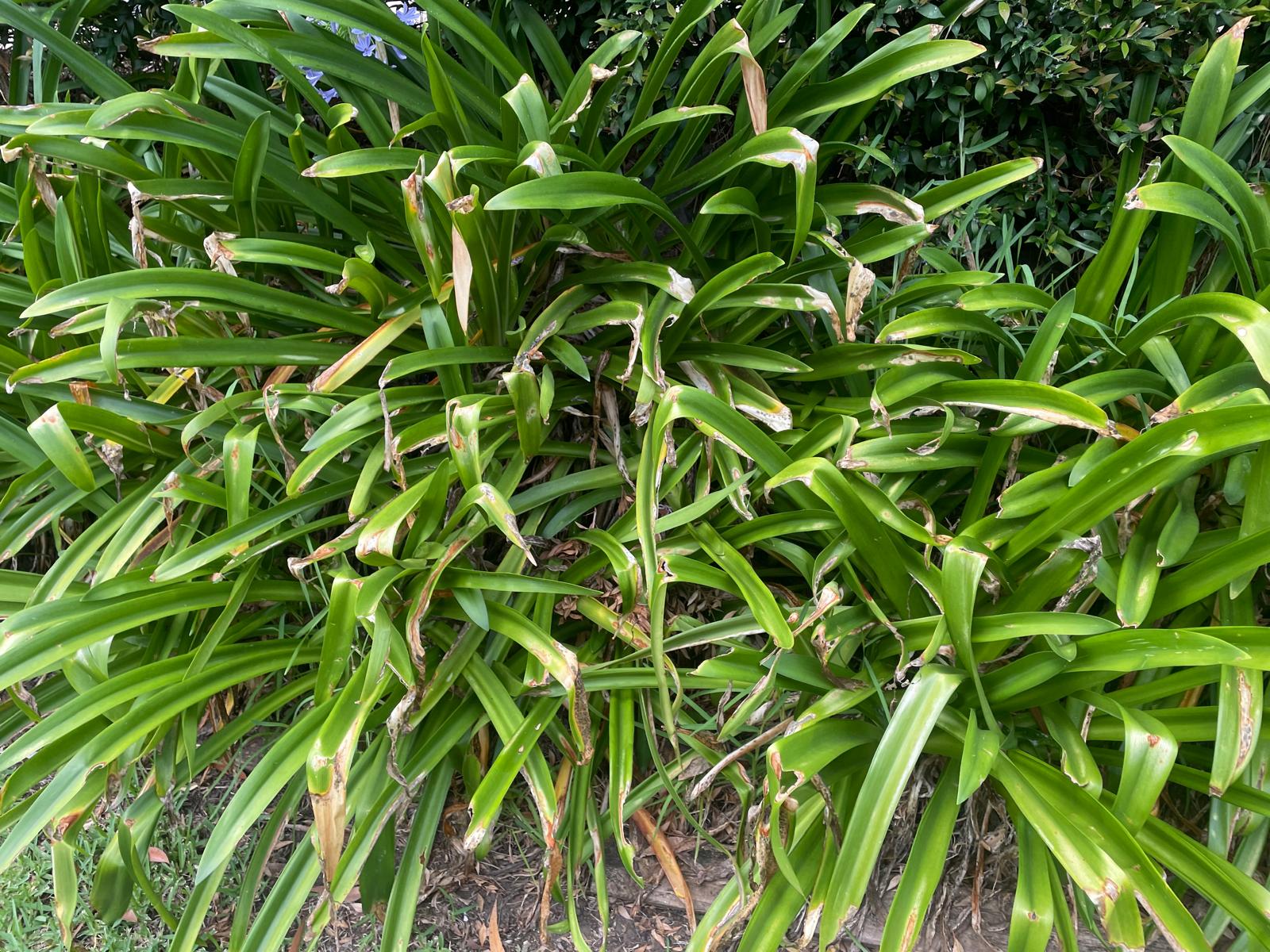
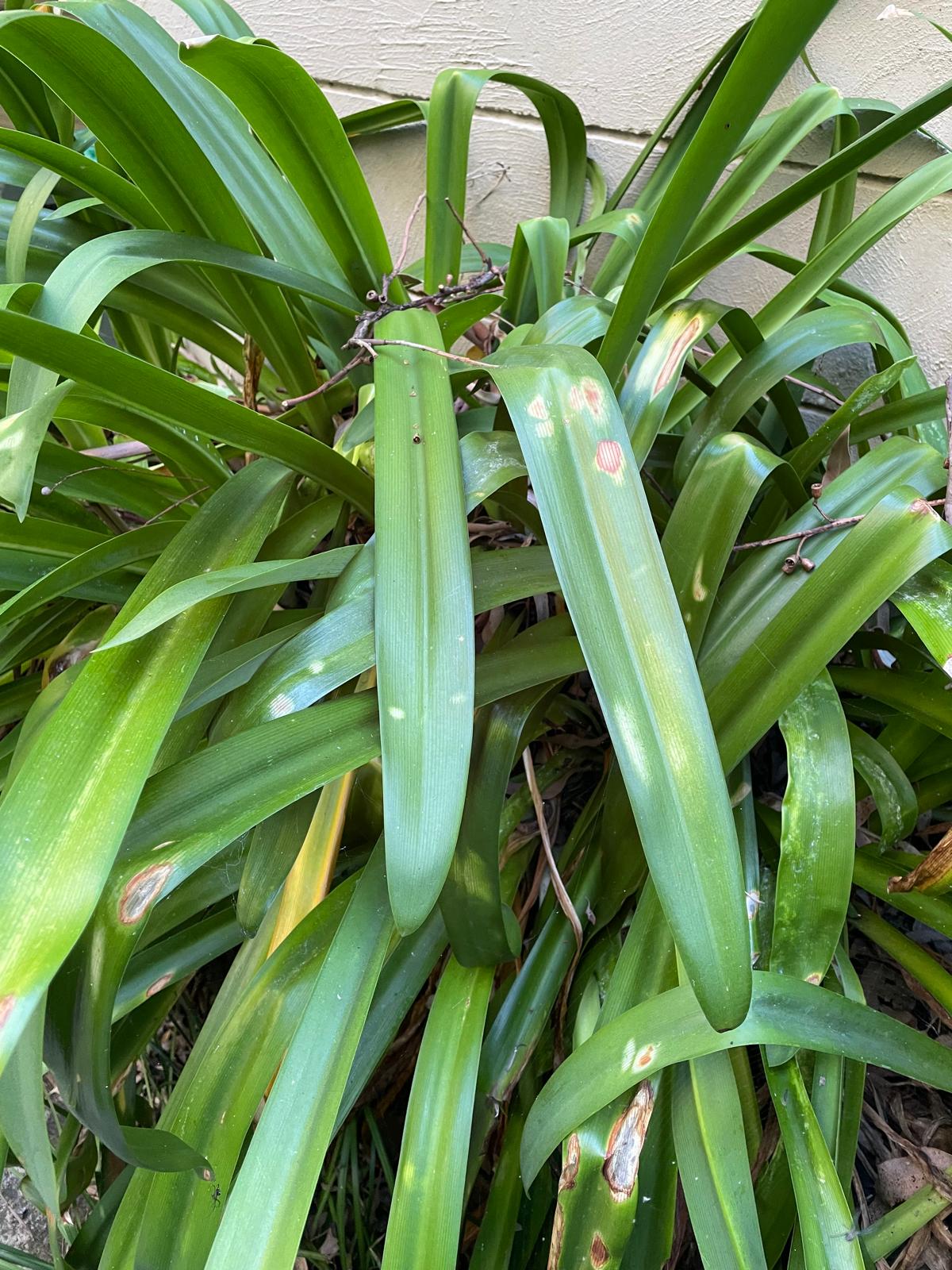
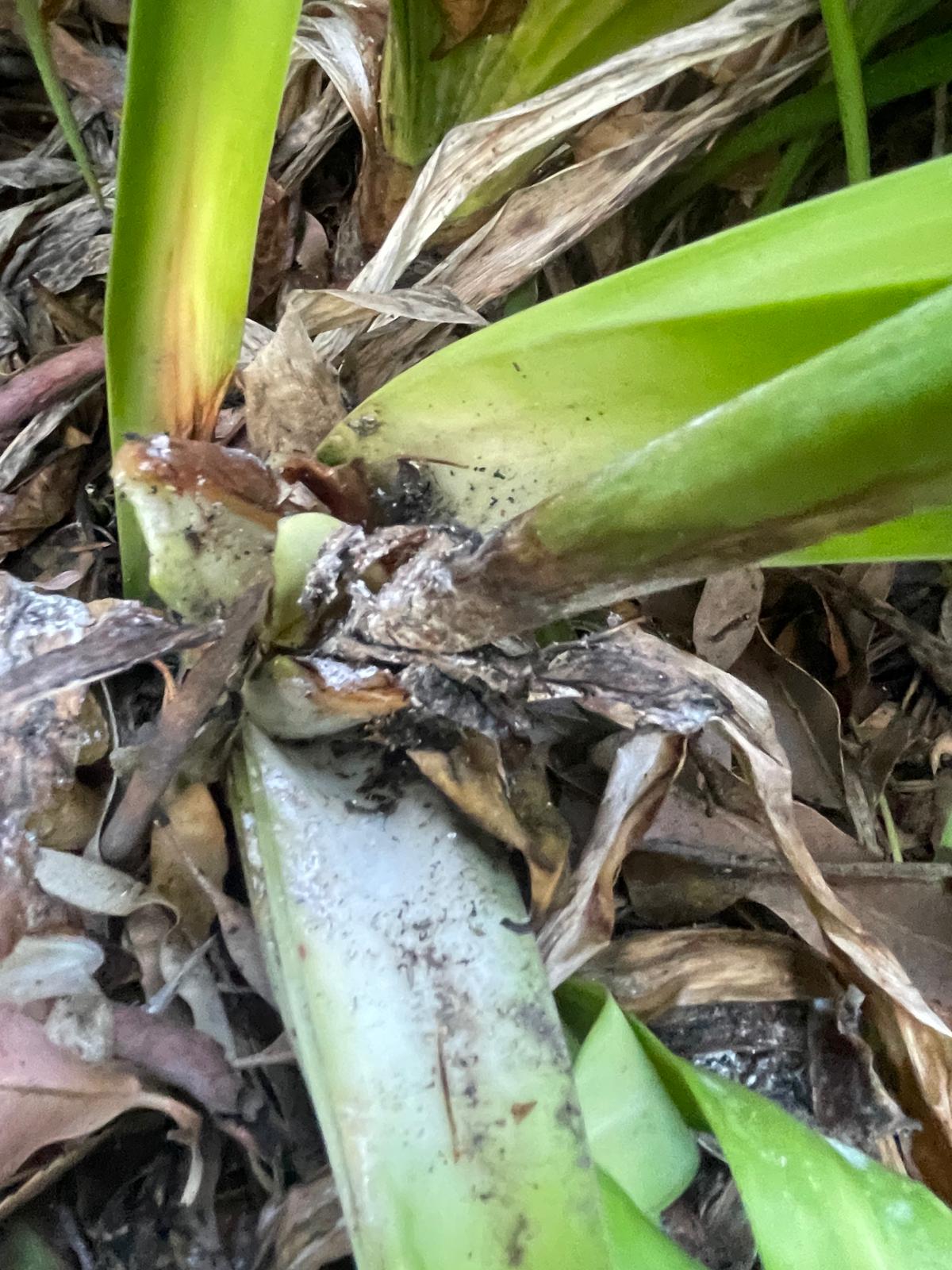
The Suspect!
Mealybugs are a sap-sucking insect that love to live (and suck) in leaf crevices and on the stems of your ornamental or edible plants. Mealybugs love warm, humid conditions, much like the climate of Sydney right now. They feed by inserting their stylets into the plant’s tissues and sucking out the nutrient-rich sap. This extracts nutrients from the plant and results in the distorting, yellowing, and oftentimes ultimate demise of the agapanthus (or other desirable plant).


The Solution!
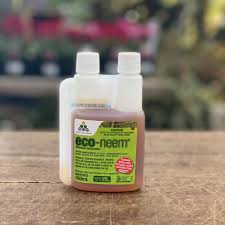
Now, this is the tricky part! Given the mealybugs like to live deep in the leaf crevices of your agapanthus, spraying will need to be very intentional. For plants with only mild symptoms, I would spray a combination of Eco-Oil and Eco-Neem (as per the manufacturer’s specifications) directly into the crevices, ensuring the solution gets into all areas where the mealybugs could be. You may need to reapply if the infestation continues, but remove the damaged leaves and monitor if the plant continues to deteriorate.
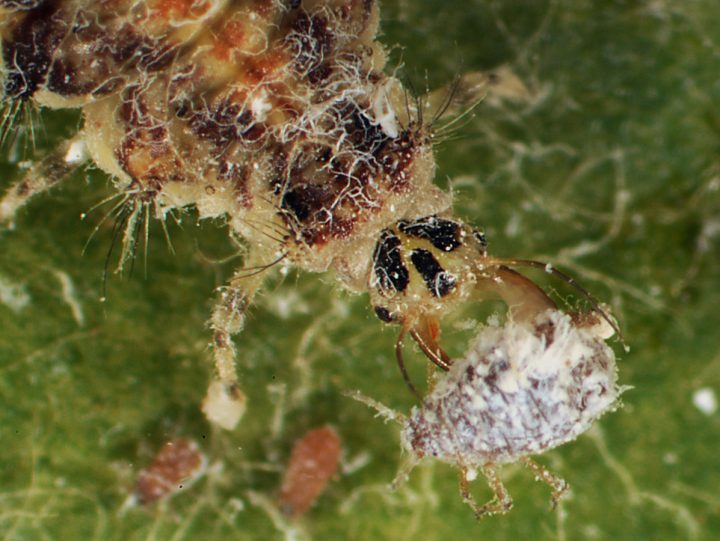
For plants with more severe symptoms, often the best case is to cut the plant as close to the ground as possible, spray it with the solution, and monitor to reapply. Agapanthus plants grow from underground stems called rhizomes, which means if you cut them to the ground they will come back (unless the rhizome is compromised)! A more niche solution is a biological control of lacewing larvae which can be purchased from Bugs for Bugs. The larvae are a natural predator to the mealybug (and other insects such as scale and aphids), and will eat as many as they can. See photo below of a larvae demolishing a mealybug and also the lacewing's eggs, if you see these around let them be as they may just help you with your pest problems.

If you think you have mealybugs feeding on your agapanthus and need help in managing them, don't hesitate to call Jordan at Banksia Backyards.
Visit Bugs for Bugs for the lacewing larvae.